Gustav Pope, The Artist
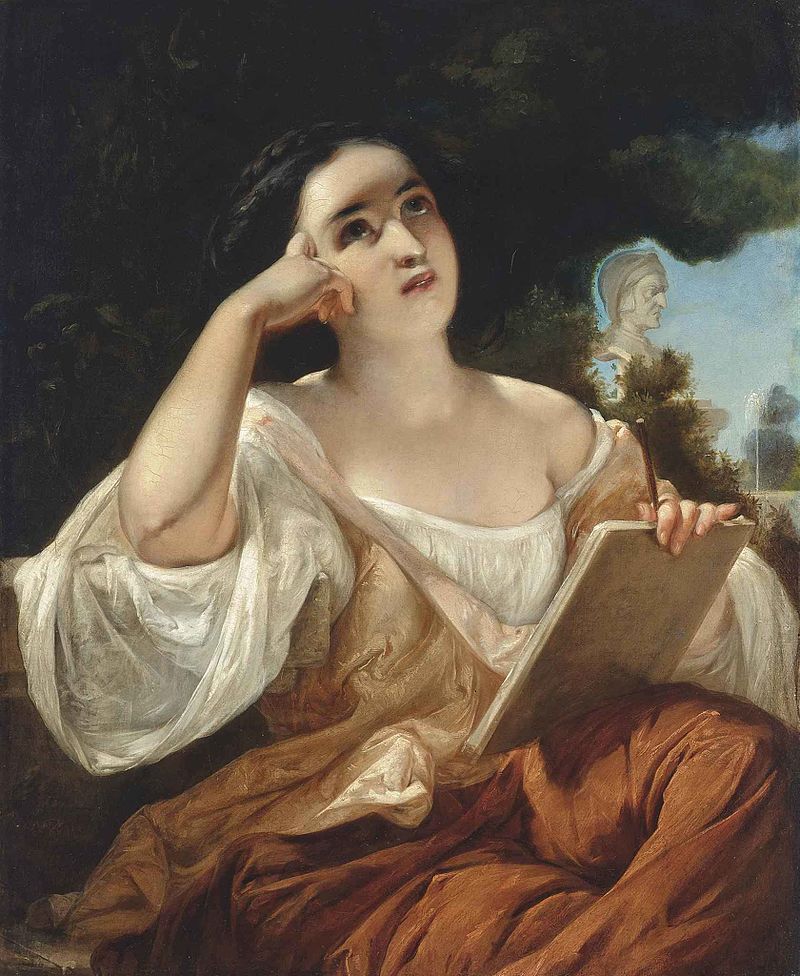
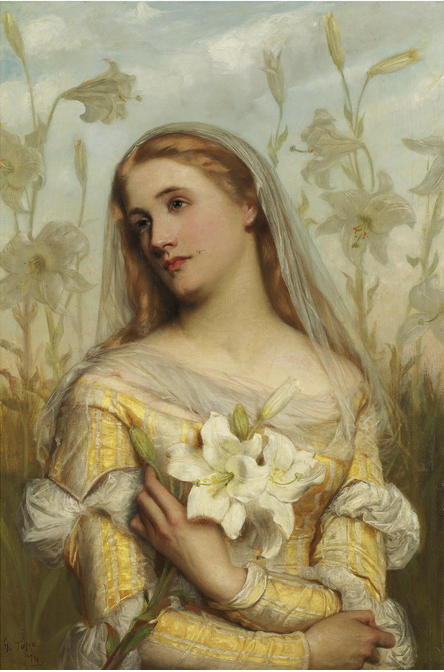
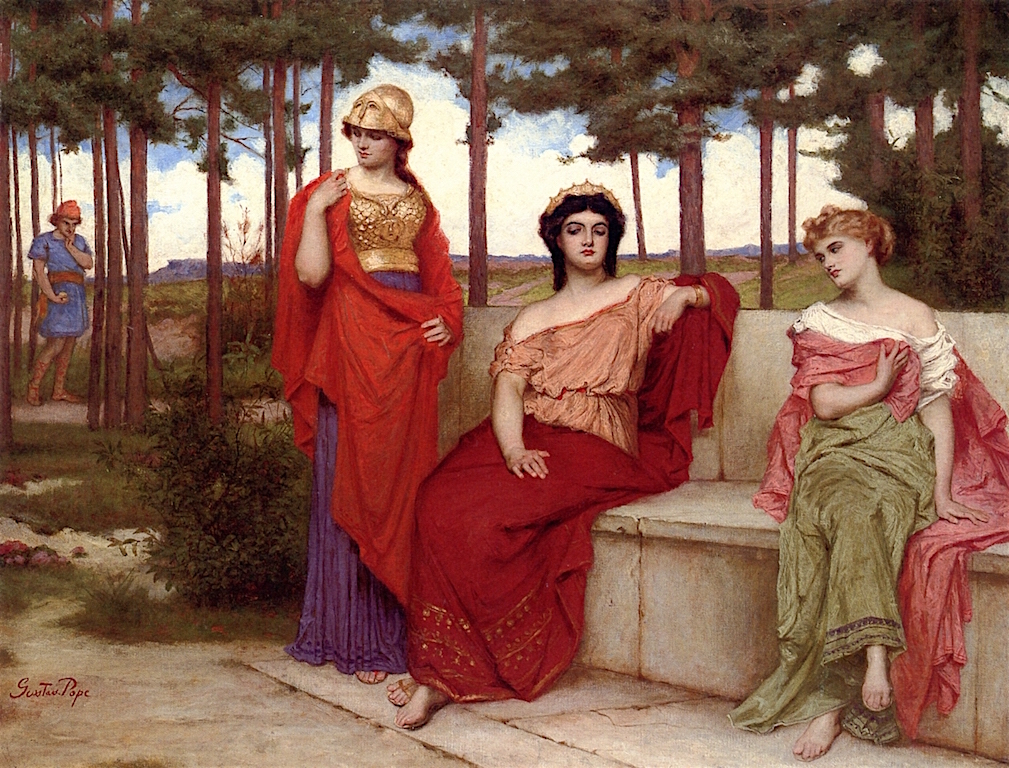
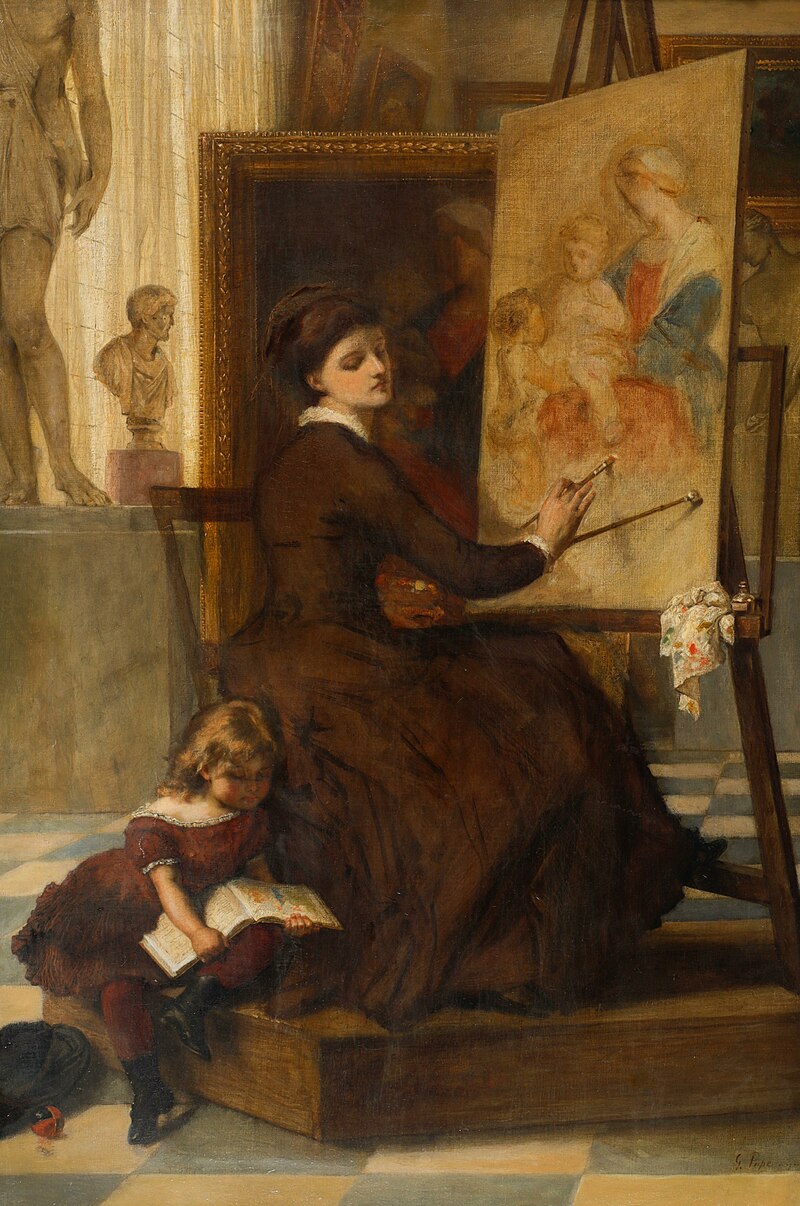
Gustav Pope was a brilliant artist of visual poetry and sharp philosophies. He was trained in the academy but stood imaginative; he was profound, sensible, and surprisingly modern-minded. Unfortunately for art criticism, Pope suffered the fate of most Victorian artists: the 1900s and its dramatic shift in tastes downgraded their work to expendable sentimentalism for most of the century.
His career flourished between 1852 and 1896, creating artwork of extreme beauty and full of innovations and simplicity in composition. After his migration from Austria, he entered the country’s artistic scene through the auspiciously called British Institution in 1852. However, Pope reserved some of his best productions for the Royal Academy, exhibiting there for the first time in 1854 and frequently appearing in the catalog until 1895. He also exhibited at the Society of British Artists, the Dudley, and the French Gallery in London. Among his most important works in institutions and public collections are:
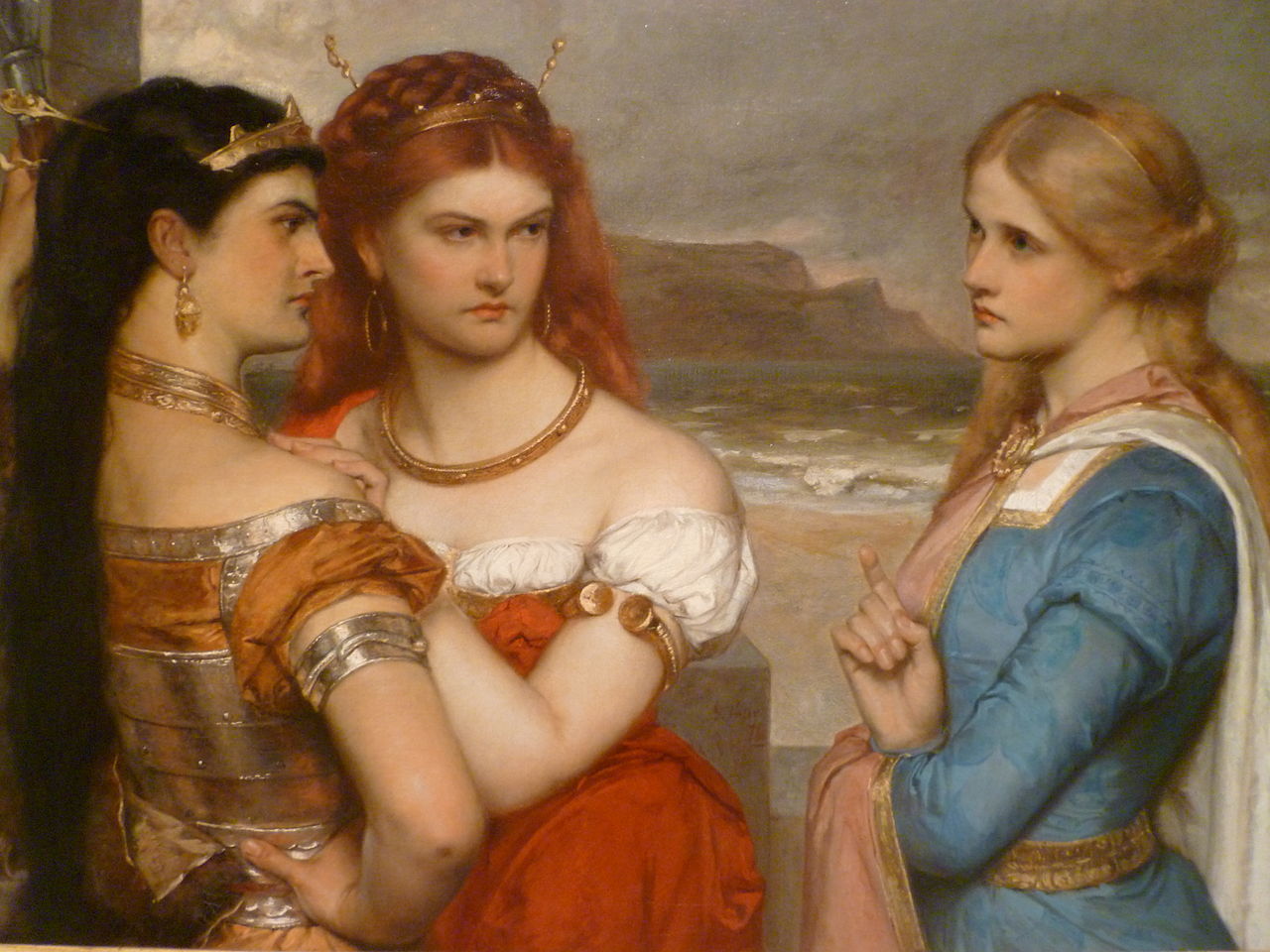
The Daughters of King Lear (1875-76) Museo de Arte de Ponce, Puerto Rico
The Music Room (ca.1861-63). York Castle Museum, York, England
The Portrait of Algernon Percy, 6th Duke of Northumberland. Alnwick Castle, England.
Gustav Pope’s name is familiar to Victorian art collectors, institutions that keep his paintings, auction houses, and galleries. But there is no reliable source of information about his life and work, limiting the assessment of any piece beyond the visible. Most definitively, his career deserves study. For that reason, the Gustav Pope Research Project aims to build his graphic catalog (catalogue raisonné), cherish his legacy and foster the diffusion of knowledge about his life and works.
Contribute Images of your artwork by Pope to the project. We will reciprocate by giving you a report summarizing the data we may have about your piece. Please send us your images of artwork by G. Pope, comments, and questions you may have to:
info@gustavpope.com
 Gustav Pope: The enigmatic Victorian Painter